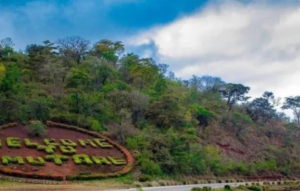
When most travellers think of Zimbabwe, Victoria Falls immediately springs to mind. But here’s a secret that seasoned explorers already know: Harare, waterfalls Harare in particular, offers a collection of stunning cascades that are far less crowded, significantly cheaper to visit, and absolutely worth the trip. Whether you’re a resident looking for a weekend escape or a visitor passing through the capital, the waterfalls around Harare deserve a spot on your itinerary.
I spent three weeks based in Harare last rainy season, and I was genuinely blown away by how accessible these natural wonders are. Some are barely an hour’s drive from the city centre. Others require a bit more effort — but trust me, every single one rewards you with that jaw-dropping moment when you hear the roar of water and feel the mist on your face.
Why Harare Is Your Perfect Waterfall Base Camp
Harare sits on Zimbabwe’s central plateau at roughly 1,480 metres above sea level. The surrounding landscape is lush, hilly, and carved by rivers that swell dramatically during the rainy season (November through March). This geography creates the perfect conditions for waterfalls — and plenty of them.
Here’s why basing yourself in Harare makes practical sense:
- Affordability: Accommodation in Harare averages $30–$80 per night for a decent guesthouse or Airbnb, compared to $150+ near Victoria Falls.
- Accessibility: Robert Gabriel Mugabe International Airport connects Harare to Johannesburg, Addis Ababa, Dubai, and Nairobi. Internal flights to other Zimbabwean cities are also available.
- Infrastructure: You’ll find reliable car rental agencies (expect $40–$70/day for a compact SUV), fuel stations, and mobile network coverage for navigation.
- Variety: Within a 200 km radius of Harare, you can visit at least five noteworthy waterfalls, each with its own character.
The Best Waterfalls Harare Explorers Shouldn’t Miss
Let’s get into the specifics. Here are the top waterfalls you can reach from Harare, ranked by distance from the city centre:
- Mazowe Falls (approx. 40 km north): This is your closest option and a fantastic half-day trip. The Mazowe River drops over a rocky ledge surrounded by indigenous woodland. Entry is free, though the access road can be rough in the wet season. Pack a picnic — there are no vendors nearby.
- Chinamhora Falls (approx. 55 km northeast): Tucked within communal lands, Chinamhora offers a more culturally immersive experience. You’ll likely pass through small villages, and it’s polite to greet local headmen before proceeding. The falls are modest in height (around 15 metres) but incredibly photogenic during peak flow.
- Nyangombe Falls in Nyanga (approx. 265 km east): This one requires a full day trip or an overnight stay, but it’s arguably the most spectacular waterfall accessible from Harare. Nyangombe plunges roughly 30 metres into a misty gorge in the Eastern Highlands. Nyanga National Park charges an entry fee of approximately $15 for international visitors and $5 for residents.
- Mtarazi Falls (approx. 280 km east): At 762 metres, Mtarazi is the highest waterfall in Zimbabwe and the second-highest in Africa. The viewpoint involves a moderate hike (about 3 km round trip), and the panoramic views over the Honde Valley are absolutely staggering.
- Diana’s Vow Falls (approx. 160 km southeast, near Masvingo road): Lesser known but lovely, this waterfall is set among ancient rock art sites. It’s a great option if you’re heading south toward Great Zimbabwe and want to break up the drive.
Best Time to Visit Waterfalls Near Harare
Timing is everything when chasing waterfalls. Here’s a quick seasonal breakdown:
- Peak flow (February–April): The rainy season fills rivers to capacity, and waterfalls are at their most dramatic. Roads can be muddy, so a 4×4 or high-clearance vehicle is recommended.
- Moderate flow (May–July): Water levels drop slightly, but falls remain impressive. This is arguably the sweet spot — cooler weather, less mud, and green landscapes.
- Low flow (August–November): Some smaller falls may dry up entirely. The larger ones like Mtarazi and Nyangombe still trickle, but you’ll miss the wow factor. On the plus side, hiking conditions are excellent.
My personal recommendation? Aim for late March or early April. You’ll catch the tail end of the rains, the crowds (what few there are) have thinned, and the waterfalls are absolutely pumping.
Practical Tips for Waterfall Day Trips From Harare
A little preparation goes a long way. Here’s what I learned from my own trips:
- Start early: Leave Harare by 6:00 AM to maximise daylight and avoid afternoon rain showers during the wet season.
- Bring cash: Many falls are in rural areas where mobile payments and cards aren’t accepted. Carry Zimbabwean dollars and small US dollar bills ($1 and $5 notes).
- Wear proper shoes: Slippery rocks near waterfalls are no joke. Sturdy hiking shoes or sandals with good grip (like Tevas) are essential.
- Pack a dry bag: Mist from the falls can drench your electronics. A $10 dry bag from any outdoor shop protects your phone and camera.
- Tell someone your plans: Mobile signal can be patchy in rural areas. Always share your itinerary with a friend or your accommodation host.
- Respect local communities: Many waterfalls are on communal land. Ask permission, greet elders, and leave no trace. A small gift of sugar, tea, or bread is always appreciated.
Budgeting Your Waterfalls Harare Adventure
Let’s talk numbers. Here’s a realistic budget for a two-day waterfall road trip from Harare to the Eastern Highlands (Nyanga):
- Car rental (2 days): $100–$140
- Fuel (approx. 600 km round trip): $50–$65
- Accommodation in Nyanga (1 night): $40–$90
- Park entry fees: $15–$30 (depending on nationality)
- Food and snacks: $20–$35
- Miscellaneous (tips, parking, souvenirs): $10–$20
Total: roughly $235–$380 for two people. That’s a world-class nature experience for less than a single night at many safari lodges. If you split a car with friends, costs drop dramatically.
Beyond the Falls: What Else to Do Near Harare
While you’re exploring the region, don’t miss these complementary experiences:
- Domboshawa Rock Formations: Just 30 km from Harare, featuring ancient San rock paintings and panoramic views from the summit.
- Ewanrigg Botanical Gardens: A peaceful collection of aloes and cycads, perfect for a morning stroll before heading to a nearby waterfall.
- Nyanga Trout Fishing: If you visit the Eastern Highlands, the trout dams around Nyanga offer catch-and-release fishing in stunning scenery. Permits cost about $10.
- Local craft markets: Harare’s Mbare Musika and Newlands shopping areas are great for picking up Shona stone sculptures — the perfect souvenir.
These side trips turn a simple waterfall chase into a well-rounded Zimbabwean adventure.
Ready to plan your own waterfalls Harare road trip? Start by checking flight deals into Harare, book a reliable rental car in advance, and block out at least three to four days on your calendar. Zimbabwe’s capital is more than just a transit point — it’s the launchpad for some of the most underrated natural beauty in Southern Africa. Save this guide, share it with your travel crew, and start chasing those falls. You won’t regret it.