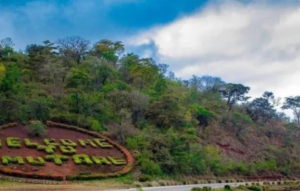
There are very few places on Earth that genuinely stop you in your tracks, but Victoria Falls Zimbabwe is undeniably one of them. Known locally as Mosi-oa-Tunya — “The Smoke That Thunders” — this colossal curtain of water stretches 1,708 metres wide and plummets 108 metres into the Batoka Gorge. It’s roughly twice the height of Niagara Falls and nearly twice its width, making it the largest sheet of falling water on the planet. Whether you’re a first-time visitor to Africa or a seasoned traveller ticking off bucket-list destinations, Victoria Falls Zimbabwe delivers an experience that’s equal parts humbling and exhilarating. In this guide, we’ll walk through everything you need to plan a smart, budget-conscious, and truly memorable trip.
When Is the Best Time to Visit Victoria Falls Zimbabwe?
Timing your trip correctly can mean the difference between witnessing a thundering wall of water and staring at exposed rock faces. The Zambezi River’s water levels fluctuate dramatically throughout the year, and understanding these patterns is essential.
- Peak flow (February–May): This is when the falls are at their most powerful. March and April typically see the highest water volume — up to 500 million litres per minute. The spray can reach 400 metres high and is visible from 50 kilometres away. The downside? The mist can be so intense that photography becomes challenging, and some viewpoints are essentially a tropical rainstorm.
- Shoulder season (June–August): Water levels begin to recede, offering a beautiful balance between impressive flow and clear visibility. This is arguably the best time for photography and overall experience. Daytime temperatures hover around a pleasant 25°C.
- Low water (September–January): The falls thin significantly, especially on the Zambian side. However, this period opens up unique experiences like swimming in Devil’s Pool right on the edge of the falls (accessed from Zambia). The Zimbabwe side retains more water year-round thanks to the Main Falls section.
For the ideal combination of dramatic water flow, comfortable weather, and manageable crowds, aim for late June through August. You’ll get stunning views without being drenched head to toe.
How Much Does a Trip to Victoria Falls Zimbabwe Cost?
One of the most common questions travellers have is about budget. The good news is that Victoria Falls offers options for nearly every price range, from backpacker hostels to ultra-luxury lodges.
Here’s a realistic cost breakdown for a 4-night trip in 2025:
- Flights: Return flights from Johannesburg to Victoria Falls Airport (VFA) typically cost $250–$450 USD on airlines like Fastjet or Airlink. From London or New York, expect $800–$1,400 USD depending on the season.
- Accommodation: Budget hostels and guesthouses start around $20–$40 USD per night. Mid-range hotels like the Shearwater Explorers Village run $80–$150 USD. Luxury options like the Victoria Falls Hotel — a colonial-era landmark — start at $350 USD per night.
- Park entry: The Victoria Falls Rainforest Park entrance fee is $50 USD for international visitors (as of 2025). Zambian side entry costs approximately $20 USD.
- Activities: A helicopter “Flight of Angels” costs around $170–$320 USD for 12–25 minutes. Bungee jumping from the Victoria Falls Bridge is roughly $160 USD. White-water rafting runs about $130–$160 USD for a full day.
- Food and transport: Budget around $25–$50 USD per day for meals and local transport. The town of Victoria Falls is compact and walkable, which keeps costs down.
Total estimated budget: A comfortable mid-range 4-night trip will cost approximately $1,200–$1,800 USD per person, excluding international flights.
Top Activities and Experiences at Victoria Falls Zimbabwe
The falls themselves are the main attraction, but the surrounding area offers a surprising depth of activities that can easily fill four to five days.
- Walk the Rainforest Trail: The main viewing area on the Zimbabwe side features 16 viewpoints connected by a paved trail through lush rainforest. Viewpoint 6 (Danger Point) and Viewpoints 12–15 offer the most dramatic perspectives. Budget 2–3 hours and bring a waterproof bag for your electronics.
- Helicopter or Microlight Flight: The aerial perspective reveals the full scale of the falls and the zigzagging gorges below. A 25-minute helicopter ride covers the falls, the Zambezi River upstream, and the bridge. This is worth every dollar.
- Zambezi River Sunset Cruise: A two-hour boat cruise upstream of the falls costs $50–$75 USD and includes drinks and snacks. You’ll likely spot hippos, crocodiles, and elephants along the riverbank. It’s the perfect way to end a day.
- White-Water Rafting in Batoka Gorge: The rapids below the falls are rated Grade 5 — among the most thrilling commercially rafted waters in the world. Available during low-water season (August–December), this full-day experience is not for the faint-hearted but is consistently rated as a highlight by adventure travellers.
- Visit a Local Village: Cultural tours to nearby communities cost around $30–$50 USD and offer genuine insight into daily life, traditional cooking, and local craftsmanship. This is one of the most rewarding and underrated experiences available.
- Bungee Jump from the Bridge: At 111 metres, the Victoria Falls Bridge bungee is one of the highest commercial jumps in the world. The bridge itself sits in no-man’s-land between Zimbabwe and Zambia, making it a uniquely thrilling setting.
Practical Tips for Visiting Victoria Falls Zimbabwe
A few practical considerations will make your trip significantly smoother:
- Visa: Many nationalities can obtain a visa on arrival in Zimbabwe for $30 USD (single entry) or $45 USD (double entry). The KAZA UniVisa ($50 USD) allows you to cross between Zimbabwe and Zambia multiple times — highly recommended if you want to see both sides of the falls.
- Currency: US dollars are widely accepted and preferred. Carry small denominations ($1, $5, $10) as change can be difficult to get. ATMs are available in town but can be unreliable.
- Health: Victoria Falls is in a malaria zone. Consult your doctor about prophylaxis at least two weeks before travel. Bring insect repellent with DEET and wear long sleeves at dusk.
- Safety: The town of Victoria Falls is generally safe for tourists, but exercise standard precautions. Don’t walk alone at night in unlit areas, and keep valuables secure.
- Connectivity: Purchase a local Econet SIM card at the airport for around $5 USD. Data packages of 3GB cost approximately $10 USD and will keep you connected throughout your stay.
Where to Stay Near Victoria Falls Zimbabwe
The town is small, and most accommodation is within a 15-minute drive of the falls. Here are the best options across budget ranges:
- Budget: Shoestrings Backpackers ($20–$35 USD/night) — Clean dorms and private rooms with a lively social atmosphere and pool.
- Mid-range: Bayete Guest Lodge ($100–$170 USD/night) — Spacious rooms, excellent breakfast, and a beautiful garden setting. Consistently rated among the best value properties in town.
- Luxury: The Victoria Falls Hotel ($350–$600 USD/night) — Built in 1904, this iconic property offers Edwardian elegance, manicured gardens with a direct view of the bridge, and afternoon tea service that’s worth experiencing even if you don’t stay here.
- Ultra-luxury: Matetsi Victoria Falls ($1,200+ USD/night, all-inclusive) — Located 40 kilometres upstream on a private concession, this lodge combines world-class safari with proximity to the falls.
Is Victoria Falls Zimbabwe Worth the Trip?
Absolutely — and it’s arguably one of the best-value bucket-list destinations in the world. Unlike many iconic landmarks that can feel underwhelming in person, Victoria Falls consistently exceeds expectations. The sheer power, the deafening roar, the rainbows arcing through perpetual mist — it’s sensory overload in the best possible way. Combined with adventure activities, wildlife encounters, and a welcoming local culture, it delivers far more than a single waterfall visit.
Ready to plan your trip to Victoria Falls Zimbabwe? Start by locking in your flights during shoulder season (June–August) for the best combination of weather, water levels, and value. Subscribe to The Prosper Journal for more destination guides, budget breakdowns, and practical travel advice that helps you explore the world without breaking the bank. Your next great adventure is closer — and more affordable — than you think.