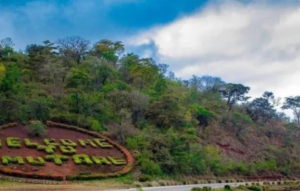
If you’ve never heard of Nyanga Zimbabwe, you’re not alone — and that’s precisely what makes it so special. Tucked into the Eastern Highlands of Zimbabwe, Nyanga is a misty, mountainous region that feels worlds apart from the safari-centric image most travellers associate with southern Africa. At roughly 1,800 metres above sea level, Nyanga is home to Zimbabwe’s highest peak (Mount Nyangani at 2,592 m), the country’s highest waterfall (Mutarazi Falls at 762 m), rolling trout streams, ancient stone ruins, and a pace of life that practically forces you to exhale. For budget-conscious adventurers and nature lovers looking for something genuinely off the beaten path, Nyanga deserves a prime spot on your 2025 travel list.
Why Nyanga Zimbabwe Deserves Your Attention
Southern Africa’s tourism spotlight tends to shine on Victoria Falls, the Okavango Delta, and Cape Town — all magnificent, but all increasingly crowded and expensive. Nyanga offers an alternative that is quieter, more affordable, and arguably just as beautiful in its own way.
Here’s what sets it apart:
- Dramatic landscapes: Think emerald valleys, granite peaks wrapped in cloud, pine forests, and cascading waterfalls — scenery more reminiscent of the Scottish Highlands than sub-Saharan Africa.
- Adventure without the price tag: A full week in Nyanga — including accommodation, meals, park fees, and activities — can cost less than a single night at a luxury safari lodge elsewhere in the region.
- Cultural depth: The area is dotted with Iron Age ruins, including the Nyahokwe and Ziwa archaeological sites, offering a window into civilisations that thrived here centuries before European contact.
- Low tourist density: Even during peak season (August–October), you can hike for hours without seeing another soul — a rarity in today’s over-touristed world.
Top Things to Do in Nyanga Zimbabwe
Nyanga packs a surprising amount of activity into a compact area. Whether you’re a hardcore hiker, a casual sightseer, or a family looking for a relaxed mountain getaway, there’s plenty to fill three to seven days.
- Summit Mount Nyangani: Zimbabwe’s highest point is a non-technical hike that takes 3–5 hours round trip. The trail starts from a car park inside Nyanga National Park (entry fee approximately US$15 for international visitors). Be warned: the mountain is notorious for sudden fog and disorientation, so always hire a local guide (around US$10–20) and start early.
- Visit Mutarazi Falls: At 762 metres, Mutarazi is the second-highest waterfall in Africa and the 17th highest in the world. The viewpoint is accessible by a short drive and a moderate walk. The sheer scale of the drop — more than twice the height of the Empire State Building — is genuinely jaw-dropping.
- Explore the Ziwa Ruins: These Iron Age stone structures date back to the 15th–17th centuries and are far less visited than Great Zimbabwe but equally fascinating. A small on-site museum provides context.
- Trout fishing: Nyanga’s cool highland streams were stocked with rainbow and brown trout during the colonial era, and fly fishing remains a beloved local pastime. Day permits cost around US$5–10, and tackle can be rented from several lodges.
- World’s View: A panoramic lookout point offering 360-degree views of the Eastern Highlands. Best visited at sunrise for dramatic light and minimal haze.
- Pungwe Falls and Gorge: A stunning waterfall set in a deep gorge, with a moderate hiking trail that takes about two hours return. The pool at the base is swimmable in warmer months.
Where to Stay in Nyanga Zimbabwe
Accommodation in Nyanga ranges from national park lodges and campsites to private cottages and small boutique hotels. Here’s a breakdown by budget:
- Budget (US$15–40/night): Nyanga National Park operates several campsites and basic chalets. Facilities are simple but clean, and you can’t beat waking up inside the park itself. Camping starts at around US$15 per person per night.
- Mid-range (US$50–120/night): Self-catering cottages such as Rhodes Nyanga Hotel or Pine Tree Inn offer comfortable rooms, fireplaces, and mountain views. Expect to pay US$60–100 for a double room with breakfast.
- Upscale (US$130–250/night): Troutbeck Resort is the area’s most established upscale option, featuring a golf course, horseback riding, and spa-like amenities. Rates hover around US$150–250 per night for a double, including dinner and breakfast.
For the best value, consider booking a self-catering cottage through local listing platforms or directly through Nyanga tourism offices. A well-stocked cottage for four people can cost as little as US$80 per night total, making it ideal for groups or families.
Getting to Nyanga and Getting Around
Nyanga is located approximately 268 kilometres northeast of Harare, Zimbabwe’s capital. Here are your main transport options:
- Self-drive: The most flexible option. The road from Harare via Rusape is tarred and generally in good condition (about 3.5–4 hours). A standard sedan will handle the main roads, but a 4×4 is recommended for park trails and some cottage access roads, especially during the rainy season (November–March).
- Bus: Regular intercity buses run from Harare’s Mbare Musika terminal to Nyanga town for approximately US$8–12 one way. The journey takes 4–5 hours. From Nyanga town, you’ll need local transport or a pre-arranged pickup to reach specific lodges.
- Private transfer: Several Harare-based tour operators offer transfers for US$120–200 per vehicle (up to four passengers).
Once in Nyanga, having your own vehicle is a significant advantage. The region’s attractions are spread across a 30-kilometre radius, and public transport within the area is limited.
Best Time to Visit and What to Pack
Nyanga’s highland climate is markedly different from lowland Zimbabwe:
- Dry season (May–October): The most popular time to visit. Days are sunny and mild (15–22°C), but nights can drop to near freezing, especially June–August. This is ideal for hiking and clear views.
- Wet season (November–March): The landscape is lush and green, waterfalls are at their most powerful, and accommodation prices drop. However, some trails become muddy and Mount Nyangani is often shrouded in cloud.
- Shoulder months (April and November): Offer a balance of good weather, fewer crowds, and reasonable prices.
Regardless of when you visit, pack the following essentials:
- Layered clothing — temperatures can swing 15°C between midday and evening
- A quality waterproof jacket
- Sturdy hiking boots with ankle support
- Sunscreen and a hat (UV is intense at altitude)
- A headlamp or torch for evening walks and early-morning summit attempts
- Cash in US dollars — ATMs are scarce and card acceptance is unreliable outside larger lodges
Budget Breakdown: What a Week in Nyanga Actually Costs
Here’s a realistic seven-night budget for two travellers in mid-range comfort:
- Accommodation (self-catering cottage): US$560 (US$80/night)
- Fuel (return from Harare + local driving): US$80
- Park fees (two parks, seven days): US$60
- Food and groceries: US$200
- Activities (guides, fishing permits, museum entries): US$80
- Miscellaneous: US$50
Total for two people: approximately US$1,030 — or roughly US$515 per person for a full week. That’s less than many travellers spend on a single weekend in more commercialised destinations.
Make Nyanga Your Next Adventure
Nyanga Zimbabwe is the kind of destination that rewards the curious — those willing to venture beyond the well-trodden tourist circuits in search of something authentic, affordable, and genuinely moving. Whether you’re standing on the summit of Mount Nyangani with the wind in your face, watching Mutarazi Falls thunder into the gorge below, or simply sitting by a crackling fire in a mountain cottage, Nyanga delivers experiences that linger long after you’ve returned home. Start planning your trip now, bookmark this guide for reference, and share it with a fellow traveller who’s ready for something different. Africa’s misty highlands are waiting.